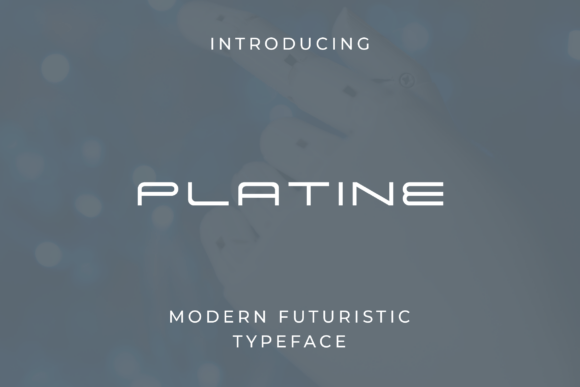
Platine: The Future of Digital Typography
In the ever-evolving landscape of digital design, typography plays a crucial role in shaping user experiences and brand identities. One font that has been making waves is Platine—a sleek, high-tech sans serif typeface crafted for the digital age. With its clean lines, precise geometry, and subtle sci-fi undertones, Platine offers a unique blend of innovation and clarity that sets it apart from traditional fonts.
Designed with modern technology in mind, Platine is ideal for a wide range of applications. From UI/UX interfaces to tech startups, gaming, and bold headlines, this font brings a sense of forward-thinking energy to any project. Its minimalist aesthetic ensures readability without sacrificing visual impact, making it a versatile choice for designers across various industries.
The geometric structure of Platine gives it a futuristic appeal that resonates well with audiences looking for something fresh and contemporary. Unlike more conventional sans serifs, which often prioritize simplicity over character, Platine introduces a level of sophistication that feels both advanced and approachable. This balance makes it particularly effective in environments where visual communication needs to be both clear and compelling.
Key Characteristics of Platine
One of the standout features of Platine is its clean line work. Each stroke is meticulously crafted to maintain a consistent weight and proportion, resulting in a font that looks sharp and professional at any size. Whether used in small text or large headings, Platine retains its integrity, ensuring that the message remains legible and visually appealing.
The precision of Platine’s design is another factor that contributes to its popularity. Every curve and angle is calculated to create a harmonious visual rhythm, which enhances the overall aesthetic of any composition. This attention to detail is especially valuable in digital interfaces, where consistency and clarity are essential for user engagement.
Additionally, Platine incorporates subtle sci-fi elements that give it a distinctive edge. These elements are not overtly flashy but rather serve to reinforce the font’s futuristic identity. For example, the slight variations in stroke thickness and the angularity of certain characters add a layer of depth that can elevate the overall design without overwhelming the viewer.
Practical Applications of Platine
Platine’s versatility makes it suitable for a variety of use cases. In the realm of UI/UX design, it excels as a primary font for interface elements such as buttons, menus, and navigation bars. Its clean appearance helps reduce visual clutter, allowing users to focus on the content and functionality of the design. This makes it an excellent choice for apps and websites that aim to provide a seamless user experience.
For tech startups and digital brands, Platine serves as a strong visual anchor that communicates innovation and reliability. Its modern look aligns well with the values of companies that are pushing the boundaries of what’s possible in the tech industry. By using Platine in branding materials, these businesses can establish a cohesive and recognizable identity that stands out in a competitive market.
Gaming is another area where Platine shines. Game developers often seek fonts that can convey a sense of excitement and immersion, and Platine fits this need perfectly. Whether used in title screens, in-game menus, or promotional materials, its bold yet refined style adds a touch of sophistication that enhances the overall gaming experience.
Benefits of Using Platine
One of the main advantages of Platine is its adaptability. It works well in both digital and print formats, making it a reliable choice for designers who need a font that can transition seamlessly between different mediums. This flexibility is particularly useful for projects that require a consistent visual language across multiple platforms.
Another benefit of Platine is its readability. Despite its modern and stylized appearance, it remains highly legible even at smaller sizes. This makes it ideal for body text, labels, and other types of content that require clear communication. Its structured form ensures that each character is easily distinguishable, reducing the risk of misinterpretation or eye strain.
Furthermore, Platine’s minimalist design allows it to pair well with other fonts and design elements. Whether used in conjunction with a more decorative typeface or alongside a simple sans serif, it maintains a balanced and cohesive look. This compatibility makes it a valuable asset in multi-font compositions where harmony and contrast are important considerations.
Considerations When Using Platine
While Platine offers many benefits, it’s important to consider how it will be used in specific contexts. For instance, in formal or traditional settings, its futuristic aesthetic may not align with the desired tone. In such cases, alternative fonts that emphasize timelessness and elegance might be more appropriate.
Designers should also pay attention to spacing and kerning when working with Platine. Although the font is designed with optimal spacing in mind, adjusting letter and word spacing can further enhance its visual appeal, especially in headline or display settings. This customization can help achieve a more polished and professional look.
Lastly, it’s worth noting that Platine is best suited for digital environments. While it can be used in print, the crispness of its design may not translate as effectively to physical media. For print projects, designers may want to explore alternative fonts that are optimized for high-resolution output and ink coverage.
Conclusion
Platine represents a new direction in digital typography, blending modern aesthetics with functional design. Its clean lines, precise geometry, and subtle sci-fi influences make it a powerful tool for designers seeking to create visually striking and highly readable content. Whether used in UI/UX interfaces, branding, gaming, or other creative applications, Platine continues to prove its value in the evolving world of digital design.