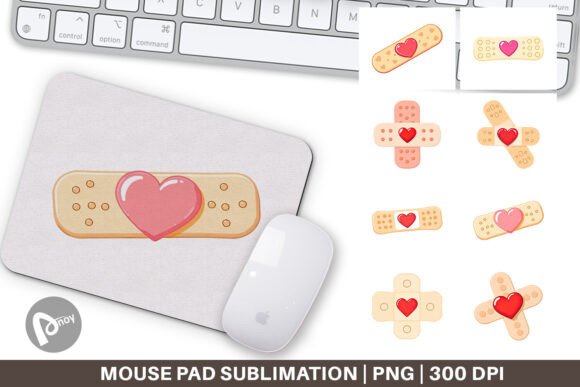
Why a Mouse Pad Medical Bandage Is the Smart Upgrade for Your Desk Setup
If you are still using the free mouse pad that came with your old computer or a generic black rectangle, you are missing out. The humble mouse pad has undergone a quiet revolution, and one of the most practical materials to emerge is what many call a Mouse Pad Medical Bandage. This fabric, inspired by the woven texture of medical tape, offers a unique balance of control, speed, and comfort. When you combine this durable fabric with sublimation printing, you get a workspace accessory that is both highly functional and visually striking.
Whether you are a gamer looking for pixel-perfect tracking, a graphic designer working long hours, or a small business owner selling custom desk gear, understanding this material is essential. Poor choices in your mouse pad material, design file, or printing method can ruin the experience. Let us walk through the common pitfalls and how to get it right.
The Unique Appeal of Medical Bandage Fabric
At first glance, the term "medical bandage" might conjure images of sterile hospital supplies. However, the fabric used for high-quality Mouse Pad Medical Bandage products is engineered for a very different purpose: precision. The weave is tight enough to provide a smooth glide for your mouse, but textured enough to give your optical or laser sensor the feedback it needs to track accurately.
This makes it an excellent choice for high-DPI gaming and detailed creative work. Unlike hard plastic pads that wear down mouse feet, or plush cloth pads that create drag, the medical bandage texture provides a "controlled glide." It is fast but not slippery, comfortable but not mushy. If you value consistency in your cursor movement, this material deserves your attention.
Furthermore, this fabric acts as an outstanding canvas. Because it is typically manufactured with a high polyester content and a bright white finish, it is perfectly suited for sublimation printing. This means your custom designs come out vibrant, sharp, and durable. You are not stuck with boring black or gray. You can have artwork that truly reflects your personality or brand.
Critical Mistakes to Avoid When Choosing and Using Your Mouse Pad
I have seen many people invest time and money into a custom mouse pad only to end up frustrated. Here are the most common mistakes and how to sidestep them.
Mistake 1: Ignoring Surface Texture and Sensor Compatibility
The biggest misunderstanding is assuming all cloth mouse pads feel the same. A standard cloth pad has a fabric loop that creates friction. A Mouse Pad Medical Bandage fabric is woven differently. It is smoother to the touch but still offers that tactile feedback.
The problem: If you buy a cheap knockoff that uses a rough, unrefined material, it will eat your mouse skates (the slippery pads on the bottom of your mouse) and create an annoying scratchy sound. Worse, some budget pads use a surface that confuses modern sensors, causing cursor jitter or spin-outs during fast movements.
What to do instead: Look for a blank that specifically advertises a "medical bandage" or "micro-weave" surface. Test your mouse on it if possible. A quality fabric will feel smooth and uniform. If you are printing on these blanks, make sure the fabric is consistent across the entire pad. This attention to detail separates a professional tool from a cheap accessory.
Mistake 2: Overlooking the Template Specifications
This is perhaps the most expensive mistake to make, especially for small business owners and creators. You have your design ready, and you are eager to print. But if you ignore the specific dimensions and resolution of your template, the results will be disappointing.
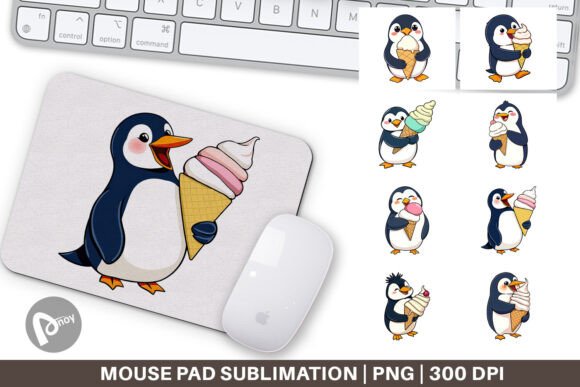
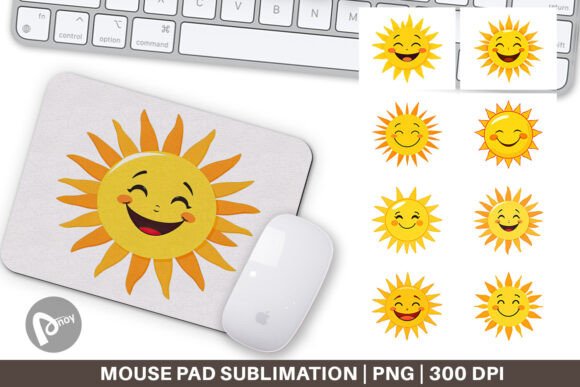
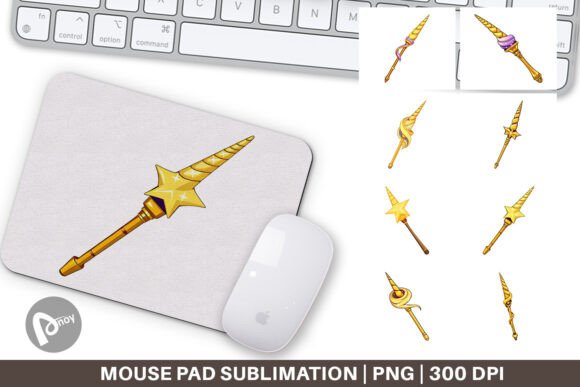
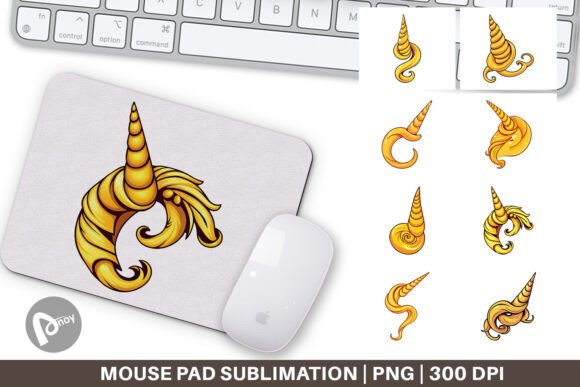
The reality: You will receive a PNG file 8 File Png 9,5 x 8,1 inches 300 dpi. This specific specification is not arbitrary. The 300 DPI (dots per inch) resolution is the standard for high-quality sublimation output. Dropping to 150 DPI will make your design look blurry or pixelated on the finished pad.
Common oversights:
- Scaling: Stretching the PNG file beyond its native size of 9.5 x 8.1 inches destroys the resolution.
- Safe Zones: Failing to account for the bleed area. Sublimation blanks require a small margin around the edge. If your critical design elements (like logos or text) are too close to the edge, they might bend over the side or get cut off.
- Color Profile: While PNG files are typically RGB, sublimation printing often works best with specific profiles. Always proof your colors before running a full batch.
Better approach: Treat the provided 300 DPI PNG as your master file. Do not resize it. Use it directly in your sublimation software. If you need to add personalization, ensure you maintain the 300 DPI resolution for any new elements you import. Check the exact dimensions of your physical blank. A 9.5 x 8.1 inch template is designed for a pad of similar size, so measure your actual product before printing.
Mistake 3: Choosing the Wrong Fabric Blank for Sublimation
Sublimation is a fantastic process, but it is chemically specific. It relies on polyester fibers to accept the dye. If your Sublimation Mouse Pad blank has a low polyester count, your design will look faded and washed out. It might even wash off with use.
The error: Buying a cheap mouse pad that has a mixed fabric composition (e.g., cotton/polyester blend) just because it looks white. Cotton does not hold sublimation dye permanently. The colors will be muted.
The correction: A genuine Mouse Pad Medical Bandage fabric is almost exclusively high-polyester. This ensures that the vibrant colors from your PNG file transfer completely and last for years. Always confirm with your supplier that the blank is "sublimation ready" with a high polyester content. The white medical bandage fabric is an ideal substrate because the bright base allows colors to pop.
Mistake 4: Neglecting the Non-Slip Base
A mouse pad that slides around your desk is not just annoying; it actively reduces your productivity. You lose precision, and you waste time constantly adjusting it.
The problem: Some vendors use a thin, smooth rubber base that offers poor grip. Over time, this base can harden or even stain your desk.
What to check: Look for a natural rubber base with a distinct texture. It should have a firm grip on your desk surface. A quality Mouse Pad Medical Bandage pad usually features a 2mm to 3mm thick rubber base that stays put. When you place it on your desk, it should not move even during fast flick shots in a game or quick selections in Photoshop. If the base is flimsy, the entire product is compromised, regardless of how good the design looks.
Mistake 5: Assuming One Style Fits All Aesthetics
Just because a design is popular does not mean it will fit your workspace. I have seen people buy "cool" gaming designs that clash horribly with a professional home office.
The misunderstanding: Thinking a Mouse Pad Medical Bandage is only for gamers or medical professionals.
The solution: The medical bandage aesthetic—clean, white, textured, precise—actually fits perfectly into modern minimalist, Scandinavian, and industrial design themes. If you are a freelancer or entrepreneur, a custom mouse pad with a subtle geometric pattern or a clean brand logo on this fabric can elevate your desk without looking childish. The 8 PNG files you receive likely offer a variety of creative designs. Use them to match your specific room, whether that is a gaming den, a home office, or a creative studio.
How to Ensure a Professional Finish Every Time
Once you have avoided the common mistakes, it is time to focus on the process that guarantees a stunning result. You have a high-quality blank and your high-resolution PNG file 8 File Png 9,5 x 8,1 inches 300 dpi. Now, execute with care.
Printing Checklist:
- Mirroring: If your design contains any text or directional elements, mirror the image before pressing. This is a standard step for sublimation that beginners often forget.
- Heat and Pressure: Use a heat press, not a regular iron. The pressure needs to be firm and even. Typically, temperatures around 400°F (200°C) for 50-60 seconds work well for these fabric blanks. Always follow the blank manufacturer's recommendations.
- Protection: Use a protective paper or Teflon sheet above your design. This prevents ghosting (faint double images) and keeps your heat press clean.
- Post-Press Care: Let the mouse pad cool completely before touching the printed surface. This allows the gas to solidify back into a solid dye within the polyester fibers, locking in the color.
Using the Product:
- Cleaning: Dirt and oils from your wrist will accumulate. The medical bandage fabric is easy to clean. Wipe it down with a damp cloth and mild soap. Avoid abrasive cleaners that could scratch the surface or fade the print.
- Setup: Place the pad on a clean, flat surface. Make sure there are no crumbs or debris underneath, as these can create bumps.
Making the Right Choice for Your Work and Play
Your computer desk is where you create, communicate, and compete. The mouse pad is the foundation of your input system. Choosing a Mouse Pad Medical Bandage product is not just about liking a texture. It is a deliberate choice for precision, durability, and customization.
By understanding the importance of the fabric weave, respecting the technical specifications of your 300 dpi PNG files, and verifying the quality of your sublimation blank, you set yourself up for success. Whether you are a small business owner printing a batch of custom designs, or a professional upgrading your own command center, these details matter.
Avoid the shortcuts. Do not sacrifice base quality for a cheap price. Do not stretch your artwork. Take the time to match your design to your space. When you get it right, a personalized mouse pad becomes more than an accessory. It becomes a reliable tool that enhances your comfort, reflects your style, and improves your performance every single day.